
Views: 0 Author: Site Editor Publish Time: 2026-08-23 Origin: Site
Adding high-draw electrical appliances to residential bathrooms creates immediate safety challenges. You are mixing water, heavy steam, and high voltage in a confined space. Facility managers and homeowners looking at modern upgrades have to navigate strict electrical codes to keep the space safe. If you install high-wattage devices without checking your existing circuit capacity, grounding, and moisture protection, you risk electrical fires, code violations, or severe injury.
Before you commit to a high-end bathroom appliance, you need a hard technical look at your current electrical infrastructure. This guide breaks down the exact verification frameworks, zoning laws, and compliance standards you need to safely install these devices. We will look at load calculations, wet zone rules, and the physical hardware required to keep moisture out of your wiring.
GFCI Protection is Non-Negotiable: All bathroom receptacles and hardwired appliances must feature Ground Fault Circuit Interrupter (GFCI) protection to instantly cut power during a ground fault.
Strict Zoning and IP Ratings Dictate Placement: Appliance installation locations are strictly governed by wet zone classifications and require specific Ingress Protection (IP) ratings to withstand steam and direct water exposure.
Dedicated Circuitry is Required for High-Draw Devices: Adding a high-wattage appliance necessitates a dedicated circuit to prevent overloading existing shared bathroom wiring.
Physical Outlet Protection is Mandatory: Plug-in models require weatherproof, in-use covers, and all bathroom outlets must remain covered when not actively in use to prevent ambient moisture ingress.
Professional Verification Mitigates Liability: Certified electrical inspections are mandatory to verify load capacity, wire gauge, and code compliance prior to installation.
Bathrooms present a uniquely hostile environment for electrical components. The constant presence of airborne moisture, direct water splashes, and rapid temperature fluctuations creates a perfect storm for electrical failure if systems are not properly fortified. Establishing the baseline environmental hazards that electrical systems must overcome is the first step toward safe appliance integration. Success in this environment means zero risk of electrocution, zero fire hazards, and uninterrupted appliance functionality.
Steam and ambient moisture easily bypass standard electrical housing. When hot steam contacts cooler metal components inside switches, outlets, or appliance housings, it condenses back into liquid water. This condensation leads to accelerated copper corrosion and degradation of wire insulation. You will often see this in the field as a green oxidation layer on copper terminals. Over time, moisture accumulation facilitates micro-arcing. These are small, unintended electrical discharges between components. This arcing generates heat, melts wire nuts, damages the appliance, and significantly increases the conductivity across surfaces that are meant to act as insulators. A surface that is perfectly safe when dry can become highly conductive and lethal when coated in a thin layer of condensation.
National Electrical Code (NEC) standards strictly prohibit the installation of electrical breaker panels in bathrooms. The reasoning behind this prohibition highlights the severe risks associated with high-humidity environments. Moisture-induced corrosion inside a breaker panel prevents the breakers from tripping during an overload or short circuit. The internal busbars can rust, creating massive resistance and heat buildup. Furthermore, the warm, damp environment promotes rapid mold growth on the panel's internal components. If a homeowner attempts to reset a breaker with damp hands while standing on a wet floor, the risk of a fatal shock hazard is extreme. Understanding these baseline risks reinforces why specialized appliances require meticulous safety verification before you even think about mounting them to a wall.
Evaluating safe appliance placement requires breaking down the international and local regulatory frameworks that govern wet environments. Electricians and building inspectors rely on specific zoning laws to determine exactly where an electrical device can be safely installed relative to water sources. These zones dictate the minimum required protection against moisture ingress. You cannot simply mount a high-voltage device wherever it looks best; the layout is dictated by code.
Understanding wet zone classifications is mandatory for compliance and safety. The bathroom is divided into specific areas based on the likelihood of water exposure. Inspectors will measure these distances during a rough-in inspection to ensure compliance.
Zone 0: This is the interior space of the bath or shower basin. Any electrical device installed here must operate on low voltage (typically 12V or less) and feature total immersion protection. You will mostly see specialized LED lighting in this zone.
Zone 1: This area extends directly above the bath or shower up to a height of 2.25 meters from the floor. Devices in this zone face direct water jets and heavy condensation, requiring high Ingress Protection ratings.
Zone 2: Stretching 0.6 meters outside the perimeter of Zone 1, this area is considered a splash zone. It encompasses the space immediately surrounding the wash basin and the edges of the shower enclosure.
Outside Zones: These are the remaining areas of the bathroom where direct water splashes are unlikely. Standard, albeit GFCI-protected, appliances and traditional shaver points are typically located here.
Bathroom Electrical Zones and Required IP Ratings
Zone Classification | Description of Area | Minimum IP Rating Required | Typical Appliance Permitted |
|---|---|---|---|
Zone 0 | Inside the bath or shower basin | IPX7 (Immersion proof) | Submersible LED lighting (Low Voltage) |
Zone 1 | Directly above bath/shower up to 2.25m | IPX4 (IPX5 if water jets are present) | Ventilation fans, specific water heaters |
Zone 2 | 0.6m radius outside Zone 1 and wash basins | IPX4 (Splash proof) | Enclosed light fittings, heated towel rails |
Outside Zones | Areas beyond Zone 2 | No specific IP required (GFCI mandatory) | Shaver points, standard vanity outlets |
Evaluating the IP rating of an appliance is a non-negotiable step. The IP rating system classifies the degree of protection provided against the intrusion of solid objects and water. For wet-environment installations, the second digit represents liquid protection. An IPX4 rating indicates the device is protected against water splashing from any direction for at least five minutes, making it suitable for Zone 2. However, if the bathroom features high-pressure showerheads or cleaning hoses, an IPX5 rating becomes the standard. IPX5 guarantees protection against low-pressure water jets (a 6.3mm nozzle spraying 12.5 liters per minute). Verifying these ratings ensures the appliance housing will not fail under expected environmental stress.
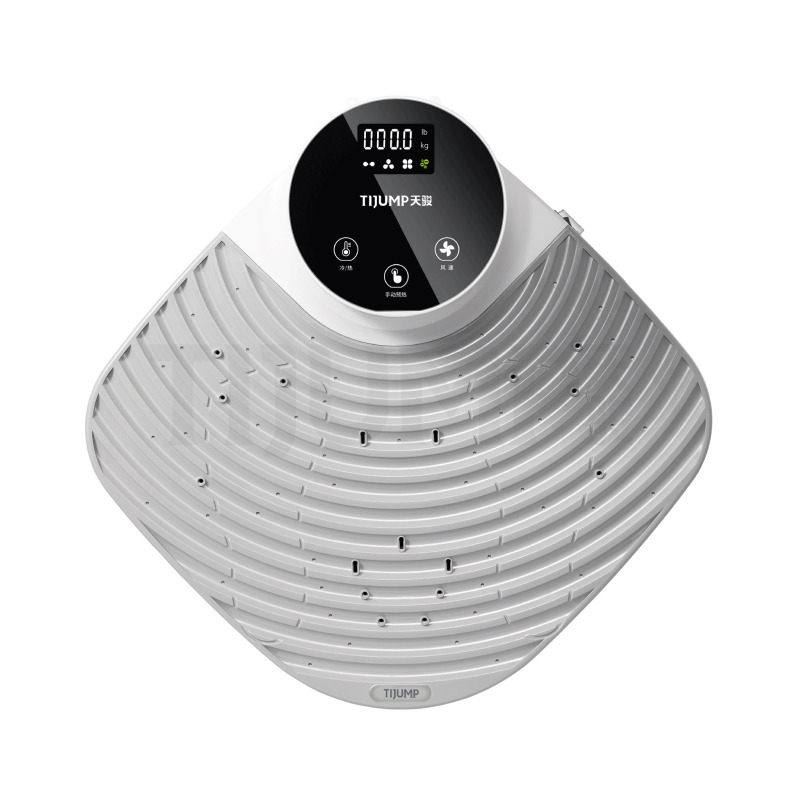
Integrating a high-wattage appliance into a wet room requires specific technical requirements to be verified before installation begins. Whether you are upgrading a residential master bath or outfitting a commercial locker room, the electrical infrastructure must be rigorously tested. You cannot rely on assumptions when dealing with 120V or 240V systems in a room filled with standing water.
Ground Fault Circuit Interrupter (GFCI) mandates are the primary defense against electrocution. A GFCI outlet or breaker constantly monitors the electrical current flowing through the circuit. It uses a current transformer to measure the outgoing current on the hot wire and the return current on the neutral wire. If it detects an imbalance as small as 4 to 6 milliamps, it cuts the power in 20 to 30 milliseconds. This indicates that electricity is escaping the intended path and potentially grounding through water or a person. Before installing a bathroom body dryer, you must verify that the specific circuit intended for the appliance has active, tested GFCI protection. Do not just press the "test" button on the receptacle. Use a digital multimeter or a dedicated plug tester to induce a ground fault and confirm the breaker actually trips at the panel.
Safe distance and socket placement rules further mitigate risk. Electrical codes provide strict guidelines for measuring the distance between water sources and electrical connections. Typically, receptacles must be installed at least 3 feet away from the outside edge of a bathtub or shower stall. This physical separation prevents individuals from reaching a plugged-in appliance while still in contact with standing water. If your bathroom layout does not allow for this 3-foot clearance, you must look into hardwiring the appliance directly into a sealed junction box rather than using a standard wall outlet.
Even for indoor bathroom use, outlet covers and moisture barriers are necessary. Standard outlets expose metal contacts to ambient humidity. Utilizing "in-use" covers, often referred to as bubble covers, for plugged-in devices is a strict rule. These covers allow the appliance to remain plugged in while maintaining a weatherproof seal over the receptacle. Keeping all sockets covered when they aren't in use blocks steam penetration. This prevents the slow accumulation of moisture that leads to hidden corrosion behind the wall plates. A standard flat cover plate does nothing to stop steam from entering the electrical box.
High-draw appliances cannot share a circuit with existing bathroom fixtures. Hair dryers, shaver points, lighting, and exhaust fans already place a significant load on the bathroom's wiring. Adding a heavy-duty heating element to this mix will consistently trip the breaker or overheat the wiring if the breaker fails. Evaluating the existing electrical panel for available breaker space is mandatory. You must confirm there is physical room in the panel to add a new breaker and that the home's total electrical service can handle the additional amperage. If your panel is already maxed out, you will need a heavy-up or a sub-panel installation before proceeding.
Assessing the specific electrical demands of specialized drying equipment against existing infrastructure determines whether an installation is viable. High-wattage heating elements draw substantial power, and the electrical backbone must be scaled to meet this demand safely. You have to look at the wire gauge, the breaker size, and the continuous load ratings.
Calculating total amperage draw requires a clear framework. Power consumption is measured in watts, and the electrical capacity of a circuit is measured in amps. To determine the amperage draw, divide the appliance's wattage by the voltage of the circuit. For example, a 1400-watt appliance on a standard 120-volt circuit draws approximately 11.6 amps. While a standard 15-amp circuit might seem sufficient, electrical codes dictate that continuous loads should not exceed 80% of the circuit's rating. For a 15-amp circuit, the maximum continuous load is 12 amps. Therefore, verifying if a 20-amp circuit (which uses thicker 12 AWG wire) is required, or if a 220v/240v upgrade is necessary for an air shower body and feet dryer, prevents dangerous overloads and nuisance tripping.
The choice between hardwiring and plug-in models involves distinct safety trade-offs. Hardwired installations carry a higher upfront installation cost because they require a licensed electrician to run conduit directly into the appliance housing. However, hardwiring offers superior moisture resistance, permanent code compliance, and completely eliminates the need for exposed sockets in the bathroom. The connection is sealed within a waterproof junction box, isolating the wiring from ambient steam.
Turn off the main breaker and verify the power is dead using a non-contact voltage tester.
Run liquid-tight flexible non-metallic conduit (LFNC) from the wall junction box to the appliance housing.
Strip the wire ends and connect them using waterproof wire nuts filled with dielectric grease to prevent oxidation.
Secure the appliance to the wall blocking, ensuring the rubber gaskets create a watertight seal against the tile.
Restore power and test the GFCI breaker at the main panel to confirm ground fault protection is active.
Plug-in models offer easier installation but demand strict adherence to socket placement rules. They necessitate the use of in-use weatherproof covers to protect the receptacle. The primary vulnerability of a plug-in model lies at the plug interface itself. If the plug is frequently inserted and removed, the physical connection inside the receptacle can loosen. This creates electrical resistance, which generates heat and can eventually melt the plug. Furthermore, the cord must be routed safely to avoid creating a tripping hazard on wet floors.
Identifying mandatory third-party testing marks validates the manufacturer's safety claims. Certifications such as UL (Underwriters Laboratories), CE (Conformité Européenne), or ETL (Intertek) indicate that the appliance has undergone rigorous testing for fire, shock, and moisture resistance. Rejecting uncertified appliances is a fundamental safety practice. Devices lacking these marks have not been independently verified to withstand the harsh conditions of a humid bathroom, posing severe fire or shock risks to the end user.
Addressing the practical challenges of retrofitting modern technology into existing spaces requires careful planning and execution. Older infrastructure often lacks the safety features required by modern building codes, making direct appliance integration hazardous. You cannot simply splice a new high-draw device into 40-year-old wiring and expect it to perform safely.
Retrofitting older bathrooms presents specific risks. Outdated wiring, such as the lack of a dedicated grounding wire or the presence of legacy aluminum wiring, cannot safely support high-draw appliances. Aluminum wiring expands and contracts differently than copper when it heats up under a heavy load. This leads to loose connections and severe fire hazards over time. If you encounter aluminum wiring, you must use specialized AL/CU wire nuts or AlumiConn lugs to make the transition to copper. The cost implications of bringing legacy systems up to current code must be factored into the project before adding a new appliance. Upgrading the wiring, installing proper grounding rods, and replacing outdated sub-panels are critical mitigation strategies.
Managing existing minor fixtures is necessary to prevent cumulative overloads. A proper audit of existing shaver points, vanity outlets, and overhead lighting ensures the addition of a high-wattage device does not overwhelm the bathroom's sub-panel. Even if a Body Dryer is placed on a dedicated circuit, the total load on the sub-panel feeding the bathroom must remain within safe operational limits. Calculating the aggregate demand of all fixtures operating simultaneously prevents main breaker trips. You must also consider the startup surge of motors, like exhaust fans, which pull more amperage in the first few seconds of operation.
Preventing moisture ingress in wiring requires strict adherence to best practices. All electrical conduit entering the bathroom must be properly sealed. Utilizing NEMA 4X rated waterproof junction boxes with rubber gaskets ensures that wire splices remain dry even in heavy steam conditions. Apply a bead of high-grade silicone sealant around the perimeter of any wall-mounted electrical box to prevent moisture from seeping behind the tile. Furthermore, ensuring proper bathroom ventilation is a highly effective mitigation strategy. High-capacity exhaust fans reduce the ambient humidity load, lowering the condensation rate on electrical housings and extending the lifespan of the body drying machine.
Moving past DIY assumptions is vital for safety and liability. The necessity of hiring licensed professionals for load calculations, permit pulling, and final safety sign-offs cannot be overstated. A certified electrician possesses the diagnostic tools to verify ground fault integrity, calculate voltage drop across long wire runs, and ensure the installation strictly adheres to local zoning laws. Attempting to bypass professional installation voids appliance warranties and leaves the property owner legally liable for any resulting electrical fires or injuries. If an unpermitted electrical modification causes a fire, insurance companies will routinely deny the claim.
Hire a licensed electrician to perform a comprehensive load calculation on your main electrical panel to confirm available amperage.
Map out your bathroom's wet zones to determine the exact IP rating required for your specific installation location.
Install a dedicated 20-amp circuit with a GFCI breaker specifically for the new appliance to prevent shared-circuit overloads.
Verify all third-party safety certifications, such as UL or ETL, on the device before finalizing the purchase.
Seal all wall penetrations and junction boxes with high-grade silicone to block ambient steam from reaching the wiring.
A: No. Standard bathroom outlets are often shared with other fixtures and lack the capacity for high-draw appliances. You must use a dedicated circuit equipped with GFCI protection. The outlet must be positioned at a safe distance from water sources and utilize a weatherproof, in-use cover to prevent moisture ingress.
A: The required IP rating depends on the installation zone. For Zone 2 splash zones, a minimum of IPX4 is required. If the appliance is installed in Zone 1 or exposed to direct water jets from a showerhead, an IPX5 rating is mandatory to ensure water cannot penetrate the electrical housing.
A: High-wattage heating elements draw significant amperage. If the appliance shares a circuit with hair dryers, lighting, or exhaust fans, the combined electrical load will exceed the breaker's capacity, causing it to trip constantly. A dedicated circuit ensures safe, uninterrupted operation without overheating the wiring.
A: Electrical codes generally require receptacles to be installed at least 3 feet away from the outside edge of a bathtub or shower stall. This prevents individuals from touching plugged-in devices while in contact with standing water, significantly reducing shock hazards.
A: Yes. If you are using a plug-in model, you must install an in-use weatherproof cover, often called a bubble cover. This allows the appliance to remain plugged in while maintaining a tight seal over the receptacle, blocking steam and ambient moisture from corroding the internal metal contacts.
A: No. The National Electrical Code strictly prohibits the installation of electrical breaker panels in bathrooms. High humidity causes rapid corrosion of the breakers, preventing them from tripping during an emergency. It also creates extreme shock hazards if a person attempts to access the panel with wet hands.
A: A GFCI outlet protects the specific receptacle and any standard outlets wired downstream from it. A GFCI breaker is installed directly in the electrical panel and protects the entire circuit, including the wiring inside the walls. Both provide the same level of ground fault protection for the user.


