
Views: 0 Author: Site Editor Publish Time: 2026-09-01 Origin: Site
Inconsistent heat application causes irreversible fabric damage and excessive energy consumption in laundry appliances. Maintaining a stable thermal environment inside a rotating drum presents a complex mechanical challenge. The system must account for fluctuating moisture levels, variable airflow rates, and shifting fabric densities simultaneously. A slight drop in airflow or a miscalibrated sensor can turn a standard drying cycle into a fabric-damaging event.
Understanding internal temperature regulation mechanisms is required for evaluating appliance specifications. These systems range from basic bimetallic thermostats to advanced thermistors and inverter compressors. This knowledge allows you to select the right equipment to meet specific fabric care and efficiency requirements. You can move beyond marketing terms and analyze the actual hardware driving the drying process. Evaluating the internal components ensures the appliance matches your specific installation environment and daily usage demands.
Thermal Regulation Mechanics: Modern dryers rely on a continuous feedback loop between heating elements, airflow blowers, temperature sensors, and drum baffles to prevent heat spikes and eliminate cold spots.
Sensor Technology Dictates Efficiency: The shift from traditional cycling thermostats to dual thermistors and conductive moisture sensors represents the primary differentiator in high-end appliance performance and fabric preservation.
Form Factor Impacts Heat Management: A traditional clothes dryer utilizes high-volume airflow and large drum capacities for heat distribution, whereas a portable clothes dryer or travelling clothes dryer relies on lower-wattage elements and constrained thermal cycling.
Advanced Architectures Offer Superior Stability: Heat pump and inverter-driven models provide a flatter, more consistent temperature curve compared to the aggressive on/off cycling of standard vented electric dryers.
Maintenance Drives Temperature Stability: Lint accumulation and blocked venting directly degrade a dryer’s ability to regulate internal heat, triggering safety mechanisms and increasing operational costs.
Electrical resistance heating coils generate the baseline thermal energy required for moisture evaporation. A standard 240-volt element pulls approximately 22 amps and generates over 5000 watts of heat. A dedicated centrifugal blower motor draws ambient air across these heated nichrome coils. The heated air then enters the main drum cavity. This relationship relies heavily on the cubic feet per minute (CFM) of airflow. Heat generation without adequate airflow dissipation causes immediate scorching.
The blower must move air fast enough to carry moisture away but slow enough to absorb heat effectively. A healthy exhaust system maintains around 150 CFM. Blockages in the exhaust system reduce this airflow drastically. Reduced CFM forces the internal temperature inside the heater box to spike rapidly. The heating element must then cycle off prematurely to prevent a fire hazard. This dynamic explains why high heat settings fail to dry garments when vent lines are crushed or clogged with lint.
Physical movement is strictly required for even thermal exposure. Heated air follows the path of least resistance. If wet garments sit in a pile, only the outer layers receive heat. Drum baffles solve this physical limitation. These fin-like structures lift and separate garments as the drum rotates. Gravity pulls the fabrics down through the cross-stream of heated air. The drum must spin at an optimal speed, usually between 45 and 50 RPM. If it spins too fast, centrifugal force pins the clothes to the drum walls. If it spins too slow, the clothes slide along the bottom without tumbling.
Reverse tumbling technology prevents large items from balling up. Bed sheets often tangle into tight knots during a unidirectional spin. The outer layers over-dry while the inner core remains damp. By periodically reversing the drum rotation, the appliance forces the fabric bundle to unroll. This mechanical action ensures the heated air penetrates the entire load evenly.
Temperature control hardware dictates the internal climate stability. Older or budget-friendly models utilize a cycling thermostat. This is a bimetallic switch that physically opens and closes the electrical circuit. When the air reaches a pre-set threshold, typically around 155°F, the metal disc warps and cuts power to the heating element. As the air cools to around 135°F, the metal snaps back, restoring power. This mechanical process results in a jagged, aggressive temperature curve that stresses fabric fibers over time.
Modern appliances replace this mechanical switch with an NTC (Negative Temperature Coefficient) thermistor. A thermistor is a solid-state variable resistor. At room temperature, it might read 10,000 ohms. As the temperature rises, the resistance drops. It provides continuous, real-time temperature data directly to the central control board. The control board uses this data to pulse the heat relay, modulating heat application tightly. Thermistors eliminate the extreme temperature spikes associated with bimetallic switches.
Component | Technology Type | Temperature Curve | Fabric Impact |
|---|---|---|---|
Cycling Thermostat | Mechanical Bimetallic Switch | Jagged / Aggressive Peaks (20°F swings) | Higher risk of heat damage and shrinkage |
NTC Thermistor | Solid-State Variable Resistor | Smooth / Tightly Modulated (2°F swings) | Preserves elasticity and fabric integrity |
High-Limit Thermostat | Emergency Bimetallic Switch | None (Failsafe only, trips at ~250°F) | Prevents catastrophic scorching or fire |
Conductive strips located on the lint filter housing measure the electrical resistance of the tumbling load. Wet clothes conduct electricity far better than dry clothes. As garments tumble across these two metal bars, they complete a low-voltage 5-volt DC electrical circuit. The control board monitors the strength of this electrical connection continuously.
This moisture data allows the appliance to override timed cycles. As the clothes dry, the electrical resistance increases. When the resistance hits a specific mega-ohm threshold, the control board shuts down the heating element. This prevents late-cycle overheating. Timed dry cycles force the heating element to run regardless of moisture levels. Conductive sensors protect delicate fabrics from unnecessary thermal exposure.
Modern inverter motors adjust power output dynamically based on real-time load requirements. Variable-speed compressors in heat pump models operate on similar principles. They replace the binary on/off heating cycle with a smooth, continuous thermal baseline. The appliance draws only the exact amount of electricity needed to maintain the target temperature.
Modulated heating prevents the drum environment from experiencing thermal shock. The internal temperature ramps up gradually and holds steady. This stable environment protects synthetic fibers and activewear. Inverter technology also reduces mechanical wear on the relays and heating coils, extending the lifespan of the internal components.
A traditional clothes dryer relies on high-capacity thermal management. Full-sized, 240-volt vented units generate massive amounts of heat quickly. They push high volumes of air through a 7.0+ cubic foot drum to distribute this heat. The sheer size of the drum allows for maximum fabric separation. This separation prevents localized hot spots on heavy garments like denim or thick towels.
Ventless models utilize a completely different thermal architecture. Heat pump units use a closed-loop refrigeration cycle. They extract moisture from the air, drain it, and reheat the same air using a condenser coil. This process maintains lower, ultra-even temperatures. These lower temperatures are vastly superior for delicate fabrics. When evaluating large-drum heat distribution, look for dual-sensor systems. Sensors placed at both the inlet heater box and the exhaust blower housing provide the most accurate thermal mapping.
Compact living spaces require a different approach to thermal regulation. A portable clothes dryer operates on standard 120-volt, 15-amp household circuits. These units manage temperature with significantly lower wattage heating elements, usually capping at 1500 watts. They cannot generate the rapid heat spikes seen in 240-volt models. The thermal recovery time after opening the door is noticeably longer.
These compact units balance space constraints by relying on extended cycle durations. They use lower peak temperatures to protect fabrics inside a smaller 1.5 to 3.5 cubic foot drum. The reduced drum volume limits how far garments can fall during tumbling. High heat in a small drum would cause immediate scorching. The lower wattage naturally protects the garments, even if the unit uses basic mechanical thermostats instead of digital thermistors.
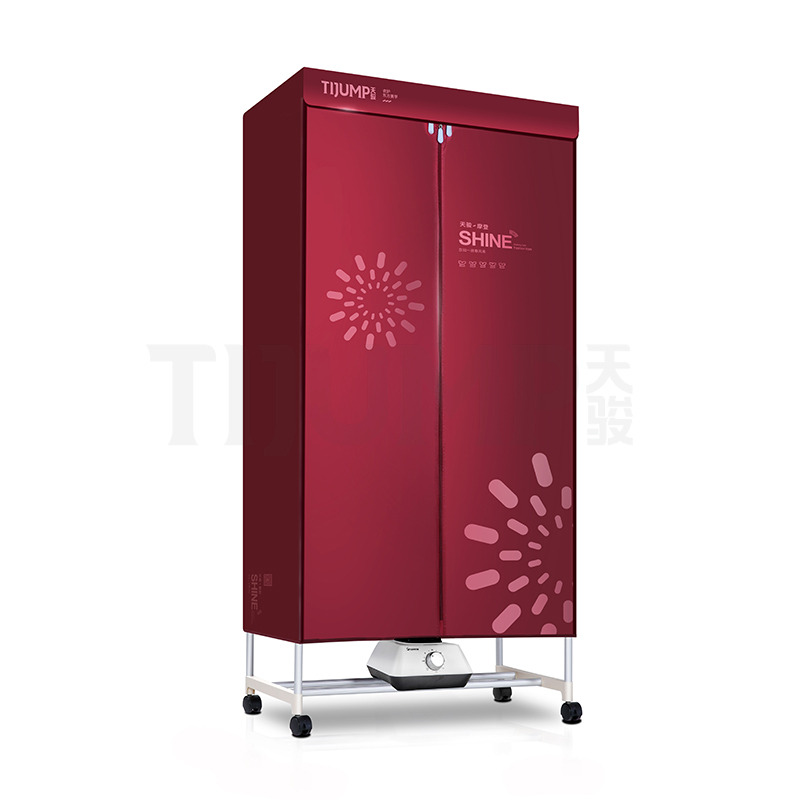
Transient laundry needs require micro-thermal regulation. A travelling clothes dryer often features a hanger-style or collapsible design. These ultra-compact devices do not use standard nichrome resistance coils. They rely heavily on PTC (Positive Temperature Coefficient) ceramic heating elements. PTC heaters are unique because they are self-regulating.
As the ceramic element heats up, its electrical resistance increases. This physical property naturally limits the maximum temperature the device can reach. It prevents the unit from overheating without requiring complex control boards or external sensors. While effective for single garments, PTC elements lack the power to dry dense fabrics quickly. They provide safe, consistent background heat for lightweight travel clothing.
Sensor specifications directly impact clothing longevity. Aggressive temperature swings from mechanical thermostats degrade elastic fibers and cause cotton shrinkage. Tight thermal bands controlled by digital thermistors preserve fabric integrity. You must map the internal hardware to your specific wardrobe requirements.
Look for models explicitly advertising dual thermistors or advanced moisture sensing. Generic auto-dry labels often rely on a simple temperature algorithm rather than actual moisture detection. True moisture sensing utilizes conductive strips inside the drum. This hardware distinction separates fabric-safe appliances from basic heat boxes.
Advanced control boards manipulate temperature curves for specific outcomes. A sanitize cycle requires sustained high heat to eliminate bacteria. The thermistor allows the heating element to run continuously until the exhaust air reaches 150°F to 160°F. Conversely, an activewear cycle pulses low heat to protect spandex and nylon from melting.
Steam generators alter the internal thermal environment significantly. Refresh cycles inject atomized water into the heated drum. The water flashes into steam, relaxing fabric wrinkles. The control board must monitor the temperature closely during steam injection to prevent condensation buildup on the drum walls, which would leave clothes damp.
Cycle Type | Target Exhaust Temperature | Heating Element Behavior |
|---|---|---|
Sanitize / Heavy Duty | 150°F - 160°F | Sustained high output, minimal cycling |
Normal / Mixed Load | 135°F - 145°F | Modulated output based on moisture sensor feedback |
Delicates / Activewear | 115°F - 125°F | Short pulses of low heat, extended tumbling time |
Over-drying garments wastes significant electrical energy. Precise temperature maintenance reduces overall kilowatt-hour (kWh) consumption. When a clothes dryer shuts off at exactly 2% remaining moisture, it saves electricity and protects the fabric. Mechanical timers force the appliance to run long after the load is dry.
Evaluate the long-term return on investment based on energy usage. Sensor-rich models and heat pump units draw less amperage over the course of a year. Their precise thermal management cuts electrical usage by up to 50% compared to budget models relying on mechanical timers, which drive up monthly utility bills through inefficient heat cycling.
Electric heating elements pose inherent fire risks if airflow fails. Manufacturers install redundant fail-safes to prevent catastrophic overheating. The high-limit thermostat acts as a secondary safety switch. If the primary cycling thermostat fails in the closed position, the high-limit thermostat cuts power when temperatures reach dangerous levels, usually around 250°F.
The thermal fuse provides the final line of defense. This is a one-time, non-resettable component. If the internal temperature exceeds the absolute maximum threshold (often 196°F at the blower housing), the fuse blows. It severs power to the heating element or the entire machine permanently. A blown thermal fuse usually indicates a severe exhaust vent blockage.
Wi-Fi-enabled units utilize thermal data to monitor appliance health. The control board tracks how long the heating element runs to reach target temperatures. If the thermal ramp-up time increases, the system detects an airflow restriction. It alerts users to blockages via smartphone apps.
Predictive maintenance prevents thermal failure before it occurs. The app can notify you when moisture sensors degrade or when the exhaust vent requires cleaning. This data-driven approach ensures the appliance maintains its factory-rated temperature curves throughout its lifespan.
Restricted exhaust vents trap heat inside the appliance chassis. This trapped heat forces the cycling thermostat to trigger prematurely. The heating element shuts off before the clothes actually dry. This phenomenon is known as short-cycling.
During short-cycling, clothes remain damp while the machine repeatedly turns the heat on and off. The blower motor continues to run, but the lack of sustained heat prevents moisture evaporation. Routine vent cleaning restores proper CFM airflow. Unrestricted airflow allows the thermistors to read accurate exhaust temperatures.
Moisture sensors suffer from environmental fouling. Waxy residue from dryer sheets coats the conductive metal strips inside the drum. Fabric softeners leave similar invisible films. This residue acts as an electrical insulator. It prevents the wet clothes from completing the low-voltage circuit.
When the sensors are insulated, the control board assumes the clothes are dry. It shuts down the heating element prematurely. You can mitigate this calibration drift through routine cleaning. Wipe the internal sensor strips with isopropyl alcohol every few months. This removes the waxy buildup and restores moisture reading accuracy.
The external environment affects ventless electric models heavily. A heat pump unit relies on ambient room air to cool its condenser coils and operate the refrigeration cycle. If you place the appliance in a freezing garage, the compressor struggles to build initial heat. The drying cycle extends significantly, sometimes doubling in length.
Conversely, placing a condenser unit in a hot, unventilated closet degrades its efficiency. The machine cannot shed excess heat effectively. Climate-controlled laundry rooms provide the optimal environment for ventless thermal regulation. Always match the appliance technology to the physical installation space to ensure the electric clothes dryer functions at peak efficiency.
Audit your current laundry room setup by measuring the exact length and routing of your exhaust vent to ensure it meets the CFM requirements of modern high-capacity units.
Test your existing moisture sensors by wiping them down with isopropyl alcohol to see if cycle times improve before committing to a new appliance purchase.
Check your electrical panel to confirm whether you have a dedicated 240V 30-amp circuit for a traditional unit, or if you are limited to a 120V 15-amp circuit requiring a compact model.
Review manufacturer specification sheets specifically for dual thermistors and NTC temperature sensors rather than relying on generic auto-dry marketing claims.
A: Modern units use internal conductive moisture sensors and exhaust temperature thermistors. Wet fabrics conduct electricity across metal strips in the drum. As clothes dry, electrical resistance increases. The control board detects this drop in conductivity and the corresponding spike in exhaust heat, shutting off the cycle automatically.
A: Restricted airflow is the primary cause. Clogged exhaust vents trap moist air inside the drum. This trapped heat causes the internal thermostat to trigger prematurely. The machine short-cycles, turning off the heating element while the clothes remain tumbling in damp, stagnant air.
A: Drum baffles physically lift and separate wet garments as the cylinder rotates. This prevents heavy fabrics from clumping together. Reverse tumbling periodically changes the rotation direction. These mechanical actions ensure that heated air circulates evenly through the entire load, eliminating cold spots.
A: A cycling thermostat manages normal operational temperatures, turning the heat on and off to maintain the target cycle heat. A high-limit thermostat is a safety device. It acts as an emergency shut-off, cutting power to the heating element only if the machine overheats dangerously.
A: Heat pump models use a closed-loop refrigeration cycle. They extract moisture from the air by cooling it, then reheat the dry air and recirculate it. This continuous extraction process is highly efficient and does not require the aggressive, high-heat resistance coils found in traditional vented models.
A: Yes. Dryer sheets contain waxy fabric softeners that melt during the cycle. This residue coats the internal moisture sensors. The wax acts as an insulator, tricking the control board into reading the clothes as dry. This causes the machine to shut off the heat prematurely.


