
Views: 0 Author: Site Editor Publish Time: 2026-03-12 Origin: Site
When people hear the term travelling clothes dryer, they often imagine a small appliance that is simply a “mini dryer.” In reality, it is more than that. A well-designed clothes dryer for travel is built around portability, quick setup, and practical drying in places where traditional laundry equipment is unavailable, inconvenient, or too bulky. Whether someone is on a business trip, staying in a hotel, living in a dorm, camping in an RV, or simply dealing with limited indoor space, the challenge is the same: clothes need to dry efficiently without relying on a full-size dryer or waiting all day for air drying. That is where a travelling clothes dryer becomes especially useful. It gives users a compact, manageable way to dry light garments while away from home, helping reduce packing pressure and making short-term laundry more practical.
A travelling clothes dryer is a portable version of a clothes drying device designed for lightweight, temporary, or on-the-go use. Unlike a full-size household dryer, it is usually built to focus on:
compact storage
easy transport
quick assembly
light-load drying
flexible use in temporary locations
These dryers are commonly used for:
travel and hotel stays
dorm rooms
apartments with limited laundry space
business trips
RV or caravan use
emergency or backup drying at home
The goal is to provide a convenient way to dry a small number of garments without needing a permanent laundry installation.
A travelling clothes dryer usually works by combining heat, airflow, and enclosed or directed drying space. While designs can vary, the basic idea is simple: warm air is generated and circulated around damp clothes to help moisture evaporate more quickly than passive air drying.
In most portable travel-style dryers, the process follows this pattern:
The device generates warm air
Air is directed into a drying chamber, cover, or hanging space
Warm airflow passes around the clothes
Moisture evaporates from the fabric
The drying cycle continues until garments are dry enough for use or packing
This makes the travelling clothes dryer especially practical for light daily clothing such as shirts, underwear, socks, babywear, and thinner casual garments.
Although models differ, most travelling clothes dryers include several core parts that make the system work efficiently.
The heating element provides the warm air needed to speed up evaporation. In portable units, this is usually designed for moderate, controlled heating rather than the intense output of a large household dryer.
A fan helps move warm air around the clothes. This airflow is essential because heat alone is not enough—moving air helps carry moisture away from the fabric surface.
Many travelling clothes dryers use a lightweight fabric cover, hanging bag, or compact enclosed frame. This helps keep warm air around the garments instead of letting it disperse immediately into the room.
Some designs work with foldable racks, hooks, or hanging frames so that clothes can stay separated while drying. This improves airflow around the garments.
Portable dryers often include simple timing or operating controls so users can run the machine for a set period, which is useful when drying in hotels, dorms, or temporary spaces.
The reason a travelling clothes dryer is so useful is that it is designed for simple use in changing locations. A typical use process looks like this:
The user removes the dryer from a bag or small storage space. Depending on the model, setup may involve opening a foldable frame, hanging a cover, or attaching a portable drying bag.
Lightweight clothing is hung or arranged inside the drying area. Keeping clothes separated helps warm air move more effectively.
Once powered on, the device begins generating warm air and pushing it into the enclosed drying zone.
As the fan moves heated air around the garments, moisture begins to leave the fabric more quickly than it would in still air.
After the set time or once the clothes feel dry enough, the user removes them and folds the dryer away for storage or travel.
This straightforward process is one of the biggest reasons portable clothes dryers are appealing to travelers and small-space users.
A common misconception is that a travelling clothes dryer needs to be “very powerful” to be useful. In practice, controlled warm airflow is often more important than raw size.
That is because:
small loads dry more efficiently in enclosed spaces
warm moving air helps moisture leave fabric faster
compact systems can concentrate drying where it is needed
portability improves practicality, even if load size is smaller
For travel use, the goal is not to replace a full-size family dryer. The goal is to make small-batch drying easier and faster than hanging clothes in a room and waiting.
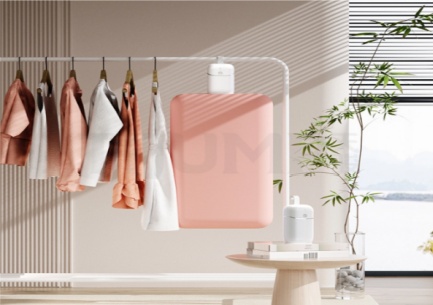
A travelling clothes dryer is usually most effective for lighter and thinner garments. This makes it ideal for travel laundry, where users often wash only the daily essentials.
T-shirts
underwear
socks
lightweight blouses
sleepwear
baby clothes
thin sportswear
light travel garments
Heavier items such as thick jeans, blankets, or bulky coats may take longer or may not be the most practical match, depending on the dryer design.
Garment Type | Drying Suitability | Why |
Socks and underwear | Very suitable | Small, light, quick to dry |
T-shirts and tops | Suitable | Common travel items, moderate drying time |
Baby clothes | Very suitable | Lightweight and often need frequent washing |
Thin sportswear | Suitable | Designed for quick daily refresh use |
Heavy jeans | Less ideal | Thicker fabric may need longer time |
Towels or bulky items | Depends on model | May exceed practical small-load use |
The “on the go” advantage comes from how easily this type of clothes dryer fits into changing routines. Instead of relying entirely on hotel laundry service, shared dryers, or long air-dry times, users can handle basic clothing needs more directly.
reduces the need to pack extra clothing
makes quick washing more useful
helps with overnight drying in temporary stays
supports more flexible travel schedules
useful in places without reliable laundry access
For business travelers, parents, students, and frequent movers, this kind of flexibility can make everyday laundry much easier to manage.
Even though it is called a travelling clothes dryer, it is often useful in many non-travel situations as well. Because it is compact and easy to store, it can also work as:
a dorm laundry helper
a backup dryer for rainy days
a small-space drying option in apartments
a convenient solution for baby clothes or small daily loads
a temporary drying device during moves or renovations
This wider use makes it attractive to people who want a clothes dryer that is not limited to one setting.
So, how does a travelling clothes dryer work on the go? In simple terms, it uses warm air and directed airflow in a compact drying space to help moisture leave clothing faster than normal indoor air drying. Its portability, small-load practicality, and quick setup make it especially useful for travel, dorms, apartments, and temporary living situations. Rather than trying to replace a full household dryer, it focuses on what many users actually need most: a convenient way to dry a few essential garments when space, time, and flexibility matter.
At Tianjun intelligent Technology Co.,Ltd., we believe a good clothes dryer for travel should make life easier, not more complicated. If you are looking for a practical drying solution for trips, compact homes, or flexible daily use, you are welcome to learn more through Tianjun intelligent Technology Co.,Ltd. and explore the right travelling clothes dryer for your needs.
It usually works by generating warm air and circulating it around clothing inside a compact drying space, helping moisture evaporate faster than normal room drying.
It is usually best for lightweight garments such as socks, underwear, T-shirts, baby clothes, and thin daily wear items.
Yes. Although it is designed for portability, it can also be useful in dorms, apartments, small homes, or as a backup drying option for light laundry.
It helps users dry small loads of clothing more conveniently during trips, which can reduce overpacking and make short-term laundry more manageable.


